
What is PCOS?
Polycystic ovary syndrome (PCOS) is a prevalent hormonal condition that affects many women of reproductive age, often leading to challenges with fertility due to irregular or absent ovulation, making conception difficult. Characterized by symptoms such as irregular menstrual cycles, excess androgen levels, and the presence of multiple small cysts on the ovaries, PCOS can also be associated with metabolic issues like insulin resistance and weight gain. Although there is no definitive cure for PCOS, a leading Fertility Specialist in Karimnagar emphasizes on the variety of treatment options that are available to help manage its symptoms and enhance reproductive outcomes. These include lifestyle modifications like weight loss and diet changes, medications such as hormonal contraceptives to regulate cycles, and fertility treatments like ovulation induction or assisted reproductive technologies (ART). Infertility treatment in Karimnagar with early diagnosis and personalized management plans can help improve quality of life and increase the likelihood of conception for women affected by PCOS.
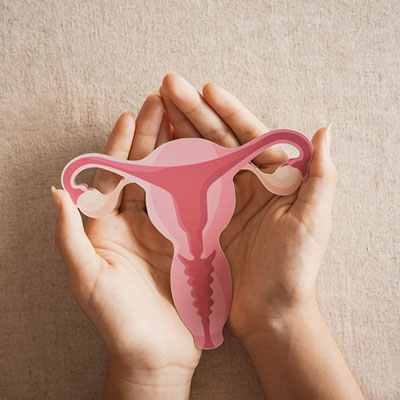
Understanding Female Infertility
Female infertility, a complex condition impacting millions worldwide, is characterized by the inability to conceive after a year of regular, unprotected sexual activity, or six months for women over 35 due to declining fertility. Its origins are diverse, often involving hormonal imbalances that hinder ovulation, such as polycystic ovary syndrome (PCOS) or thyroid disorders, structural anomalies like uterine fibroids, blocked fallopian tubes, or endometriosis, and external factors including age, obesity, smoking, excessive alcohol consumption, and stress. In many cases, the exact cause remains elusive, termed idiopathic infertility, which complicates treatment strategies. At the best fertility clinic in Karimnagar advances in reproductive medicine, including hormonal therapies, surgical interventions, and assisted reproductive technologies like in vitro fertilization (IVF), have improved outcomes, yet the multifaceted nature of female infertility underscores the importance of comprehensive evaluation and personalized care.
Common Causes of Infertility
- Ovulation Disorders
These encompass a range of conditions that impair the ovaries' ability to release eggs, significantly affecting fertility; notable examples include Polycystic Ovary Syndrome (PCOS), characterized by hormonal imbalance and cyst formation on the ovaries, and primary ovarian insufficiency (POI), where the ovaries prematurely lose their function, leading to decreased estrogen production and irregular or absent ovulation. - Structural Problems
Problems such as obstructions in the fallopian tubes, anomalies like uterine fibroids or endometriosis, and damage caused by infections or surgical procedures can hinder fertilization and reduce fertility potential. - Age
As women age, especially beyond 35, their fertility tends to diminish because of a reduction in both the number and the health of their eggs, making conception more challenging. - Hormonal Imbalances
thyroid dysfunctions, pituitary gland disorders, and other hormonal irregularities, can significantly interfere with ovulation and the implantation process, leading to fertility challenges. - Lifestyle Choices
Excessive physical activity, struggling with eating disorders, maintaining an underweight or overweight status, smoking, and alcohol intake can significantly impair reproductive health and reduce fertility potential.
PCOS and Infertility: The Connection
Polycystic Ovary Syndrome (PCOS) is a complex hormonal disorder that significantly disrupts the delicate balance of reproductive hormones, including elevated levels of androgens (male hormones like testosterone), and irregularities in estrogen, FSH, and LH levels. This imbalance often hampers ovulation, the process where the ovary releases a mature egg, which is essential for conception. As a result, women with PCOS frequently experience irregular, infrequent, or completely absent menstrual cycles, making it difficult to predict fertile windows and conceive naturally. Beyond ovulation issues, PCOS can also negatively impact egg quality, reducing the chances of fertilization and increasing the risk of early pregnancy loss or miscarriage. Many women with PCOS are also affected by obesity and insulin resistance, conditions that further exacerbate fertility challenges by disrupting hormonal regulation and ovarian function. These metabolic factors can lead to increased androgen production, which worsens symptoms like hirsutism and acne, creating a cycle that complicates treatment. The interplay between hormonal imbalance, metabolic dysfunction, and reproductive health underscores the multifaceted challenges faced by women with PCOS and highlights the importance of a comprehensive approach to management that addresses both hormonal and metabolic health to improve fertility outcomes.
Treatment of PCOS Related Infertility
- Lifestyle Changes
Implementing even modest weight loss can profoundly enhance menstrual regularity and ovulatory function in women suffering from PCOS and obesity, as reducing excess weight helps to balance hormonal levels, decrease insulin resistance, and improve overall reproductive health. Such lifestyle modifications, including a balanced diet rich in whole foods, regular physical activity, and stress management, can lead to significant improvements in menstrual cycles, fertility prospects, and symptom severity. Beyond the physical benefits, adopting healthier habits can boost self-esteem and emotional well-being, creating a positive feedback loop that further supports hormonal regulation and reproductive success in women managing PCOS alongside obesity. - Medications
Medications such as clomiphene citrate (Clomid), a selective estrogen receptor modulator (SERM), are commonly used to stimulate ovulation by blocking estrogen receptors in the brain, thereby increasing the release of follicle-stimulating hormone (FSH) and luteinizing hormone (LH); metformin, an insulin-sensitizing agent, is particularly beneficial for women with insulin resistance or polycystic ovary syndrome (PCOS), as it helps regulate menstrual cycles and restore ovulatory function; letrozole, an aromatase inhibitor, works by decreasing estrogen production, which in turn prompts the ovary to produce more FSH and LH, leading to ovulation; additionally, gonadotropin injections containing follicle-stimulating hormone (FSH) and luteinizing hormone (LH) provide direct ovarian stimulation, often used in cases where oral medications are ineffective, and require careful monitoring to optimize outcomes and minimize risks such as ovarian hyperstimulation syndrome (OHSS). - In Vitro Fertilization (IVF)
IVF treatment in Karimnagar is a sophisticated assisted reproductive technology that may become essential when other fertility treatments, such as medications or intrauterine insemination (IUI), have failed to achieve pregnancy. This process involves directly fertilizing an egg with sperm outside the body in a laboratory setting, then transferring the resulting embryo into the uterus. IVF is often recommended for couples facing issues like blocked fallopian tubes, male infertility factors, or unexplained infertility, especially when less invasive methods like IUI treatment in Karimnagar that involves placing washed sperm directly into a woman's uterus around the time of ovulation to enhance the chances of fertilization have not yielded success. Its ability to bypass certain reproductive barriers makes it a crucial option in the fertility treatment spectrum, offering hope to many individuals and couples struggling to conceive naturally.
Early detection and prompt medical intervention by Female Infertility Specialists in Karimnagar are vital for effectively managing PCOS and improving fertility outcomes, as they allow for timely implementation of personalized treatment strategies that address each woman's unique hormonal profile and lifestyle factors. An individualized approach ensures that therapies are tailored to optimize hormonal balance, metabolic health, and reproductive function, thereby increasing the chances of conception and reducing potential complications. It is also important to recognize that women with PCOS who conceive face a higher likelihood of experiencing gestational diabetes, preterm birth, miscarriage, and other pregnancy-related issues.
Discover hope and new beginnings with Dr. Nayani Enjamoori, a renowned female infertility specialist at 9e Fertility in Karimnagar. With her compassionate care and cutting-edge expertise, she is dedicated to helping you realize your dream of parenthood. Whether you're facing challenges with conception or seeking personalized fertility solutions.